
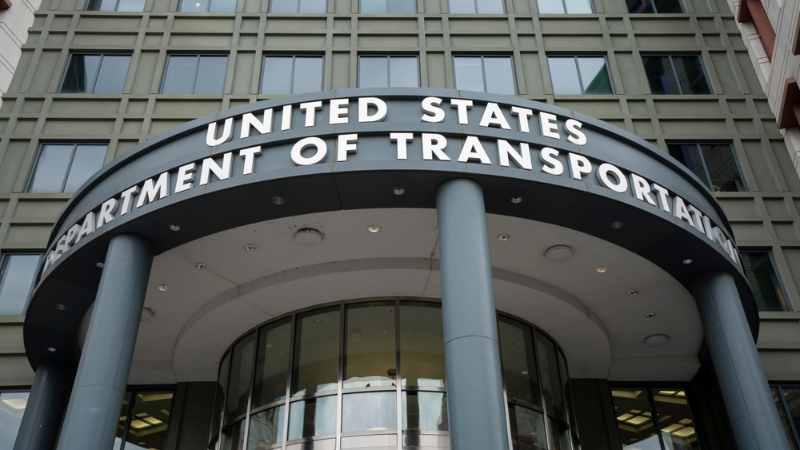
The Department of Transportation (DOT) will complete its transition to Google Workspace in the coming weeks, DOT Chief Digital and Information Officer Pavan Pidugu said Wednesday, capping off a department-wide migration.
The move took just a couple of months to complete and occurred after DOT signed a contract with Google in September through a General Services Administration (GSA) OneGov deal, Pidugu said while speaking at a GovExec event in Washington.
The Google Workspace OneGov deal made the product available to federal agencies at a temporary discount of 71% off the then-current Multiple Award Schedule pricing, regardless of transaction size. The deal also included the Gemini for Government suite of AI and cloud services.
Within 22 days of signing that deal, over 12,000 users had access to Google Workspace, Pidugu said – despite the government shutdown – and soon all 50,000 DOT employees will be able to use the platform.
“We probably worked at the pace some people would think not practically possible. I think everything is humanly possible; if we were able to do it, anybody can do it,” Pidugu said.
“I think a handful of us, including myself, were starting to receive our communications through the new platform in … less than a month timeframe,” Pidugu said. “The rest of the department is all being done in two waves.”
The second coming wave will include the Federal Aviation Administration, Pidugu added.
OneGov was launched by GSA last year to streamline federal IT acquisitions through standardized terms and pricing. Since its launch, it has added many technology companies to its long list of vendors and services at a favorable discount for agencies.
Pidugu acknowledged that OneGov has improved DOT’s contracting experience.
“Negotiation is hard. Sometimes, some people don’t want to go through that hard process, and having GSA take care of that is a blessing,” Pidugu said.
“What we did in DOT is we’re taking very, very much advantage of the negotiation that has happened already, and we’re trying to make it a little bit more customizable for us as well, on top of what GSA already negotiated for,” he added, explaining that every contract requirement can’t be planned for in the initial deal.
The Workspace rollout is unfolding alongside a broader restructuring of how DOT builds and delivers technology.
Pidugu said the department is establishing four “digital factories” focused on building software products. Functions such as cybersecurity, data, infrastructure, cloud, and portfolio governance will operate as shared services to support the developers inside those factories.
Previously, the CIO’s office was heavily concentrated on shared services. The new model shifts toward a combination of building technology and supporting those who build it.
Those digital factories were outlined under the department’s 1DOT IT modernization strategy, which said the factories would help DOT move from project-based to product-based delivery. Under that model, products are managed over their life cycles.
To lead the effort, DOT is grooming internal talent and finalizing recruitment for chief product and technology officer roles to oversee each factory. Pidugu said those positions are designed to embed product thinking at the executive level.
“We probably are the first ones in the … federal government space to start talking … about the entire cabinet-level agency to run products and have product officers,” Pidugu said.
“But the idea was based on that mindset shift … if we can’t have all the way at the top to start thinking about products, and product life cycles, and capabilities of the products, and prioritizing what capabilities go, and where in the roadmap, we can’t expect that to raise from bottom up,” Pidugu explained, adding that the goal is to make the department “top-down ready” so the “bottom-up is motivated as well.”